Nick Kyrgios provisionally suspended after positive cocaine test — and how tennis has handled hard drugs before

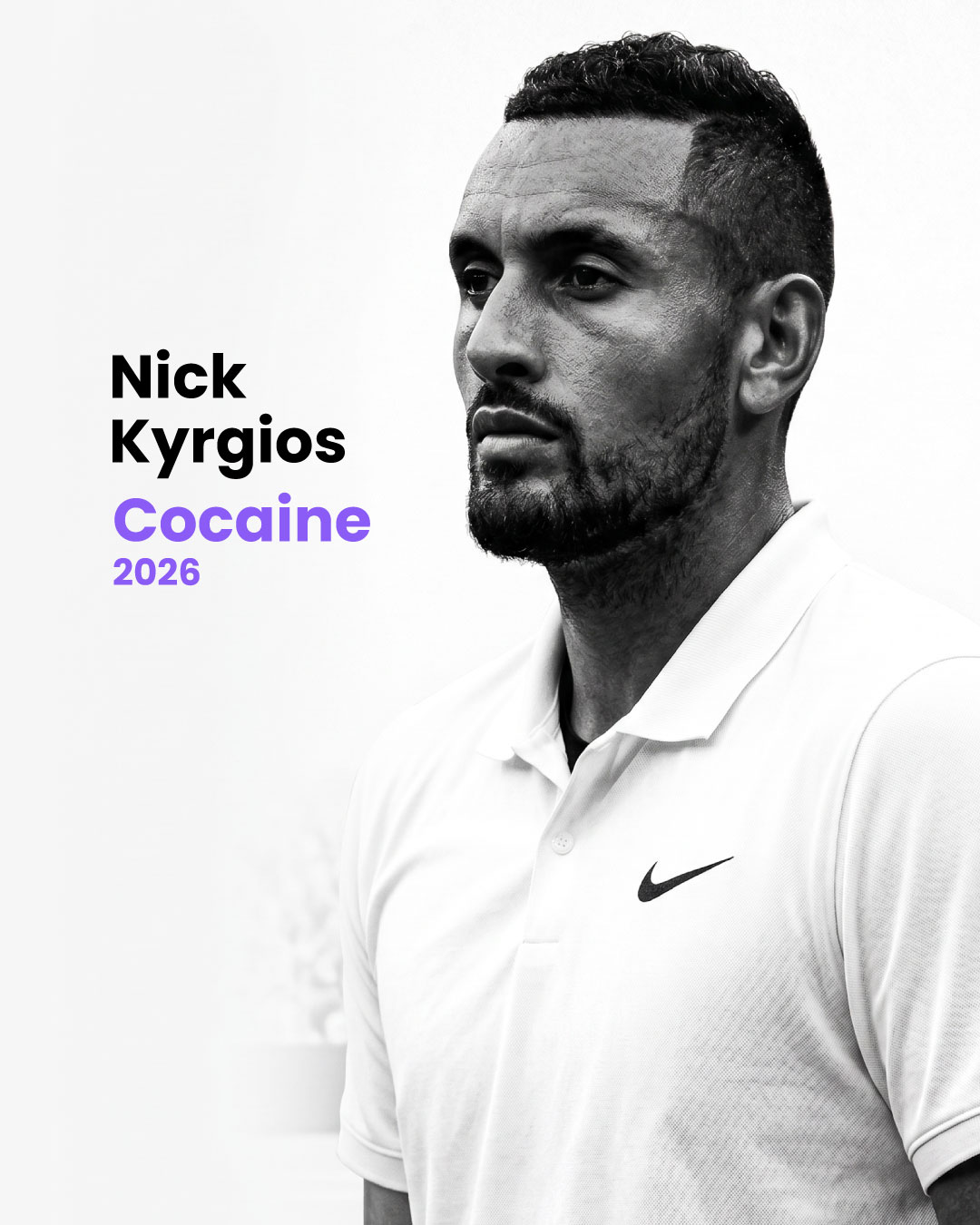
Australian tennis star Nick Kyrgios has been provisionally suspended from professional tennis after testing positive for cocaine at an ATP event in Spain.
The International Tennis Integrity Agency (ITIA) confirmed that Kyrgios provided a sample during the ATP 250 Mallorca Open on 22 June 2026. On 17 July, a World Anti-Doping Agency (WADA) accredited laboratory reported benzoylecgonine, a metabolite of cocaine. His provisional suspension has been in force since 4 August 2026.
Kyrgios, 31, posted on Instagram that he wanted fans to hear it from him first. "I recently failed a drug test in Mallorca after testing positive for cocaine. I made a huge mistake and I take full responsibility for it," he wrote. He apologised to fans, family, sponsors and young followers, and said he would step away from social media and public life for 28 days to "focus on getting myself right."
While suspended, he cannot play in, coach at or attend events sanctioned by the ATP, WTA, Grand Slams or national associations. The ITIA said he may appeal the provisional suspension, but had not done so when the case was announced. A tribunal will decide any final sanction.
Cocaine is listed by WADA as a stimulant and a "substance of abuse." It is banned in competition. Reduced sanctions can apply when use is out of competition — but Kyrgios's sample was taken during a tournament in which he competed. He lost in the first round to fellow Australian Adam Walton.
For a player who reached a career-high ranking of world No. 13 and was a Wimbledon finalist in 2022, the case puts another pause on a career already marked by brilliance, injury and controversy. He is not, however, the first high-profile tennis name linked to hard drugs.
Cocaine cases in tennis
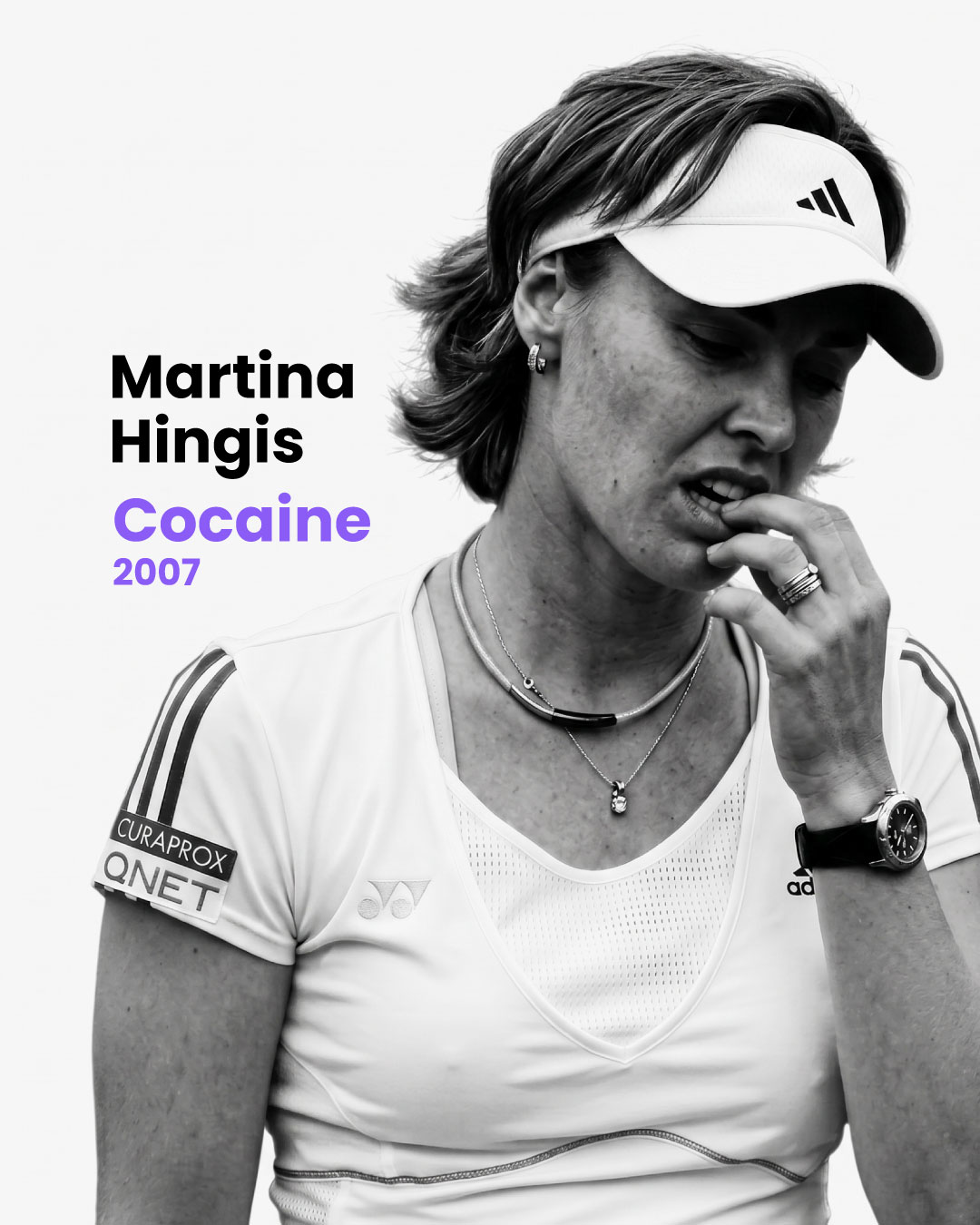
Martina Hingis — 29 June 2007
Sample taken at Wimbledon after a third-round loss. A cocaine metabolite was found. Hingis denied knowingly taking the drug, announced her retirement when the news broke in November 2007, and later received a two-year ban (from 1 October 2007) after an independent tribunal rejected her appeal in January 2008.
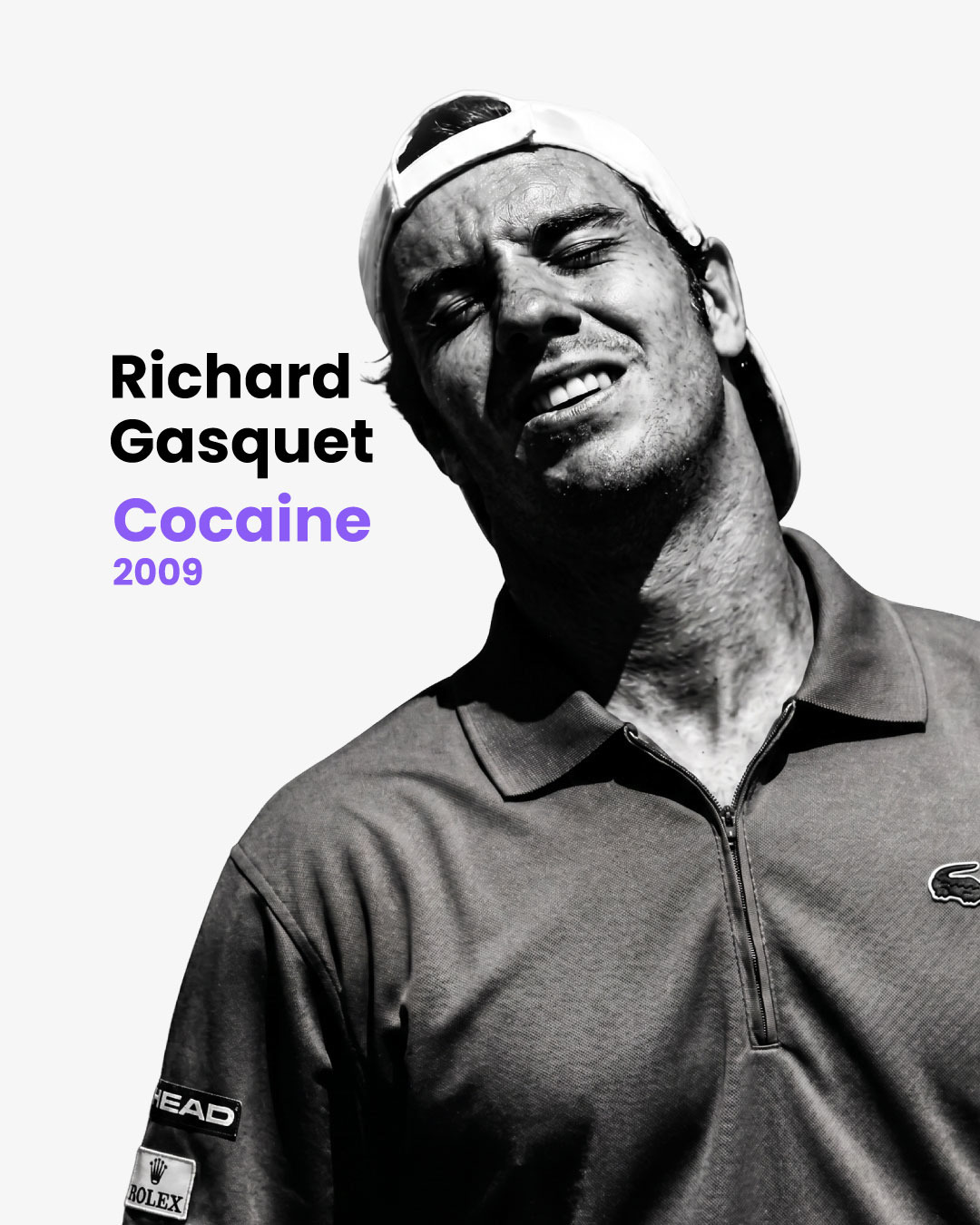
Richard Gasquet — 28 March 2009
Sample taken at the Sony Ericsson Open in Miami. Gasquet argued the finding came from kissing a woman who had used cocaine. After appeals, including to the Court of Arbitration for Sport, he received only a short suspension of about 2½ months, after authorities accepted that the ingestion was likely inadvertent.
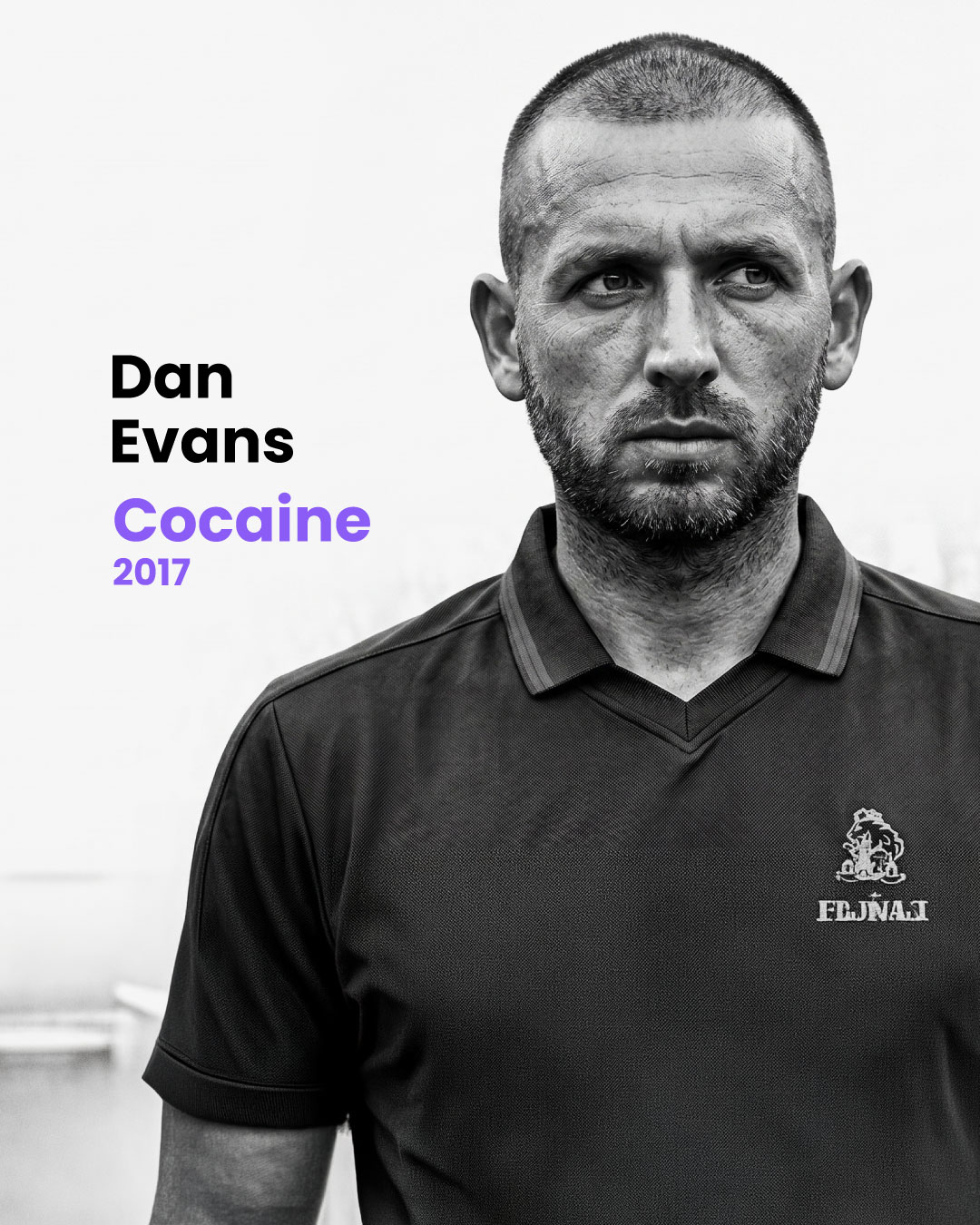
Dan Evans — 24 April 2017
Sample taken at the Barcelona Open. Evans admitted using cocaine out of competition and said leftover powder had mixed with medication in his washbag. He received a one-year ban, backdated to the date of the test, and forfeited prize money and ranking points from that period.
Nick Kyrgios — 22 June 2026
Sample taken at the ATP 250 in Mallorca. Provisional suspension from 4 August 2026. Final length still to be decided.
Crystal meth and methamphetamine
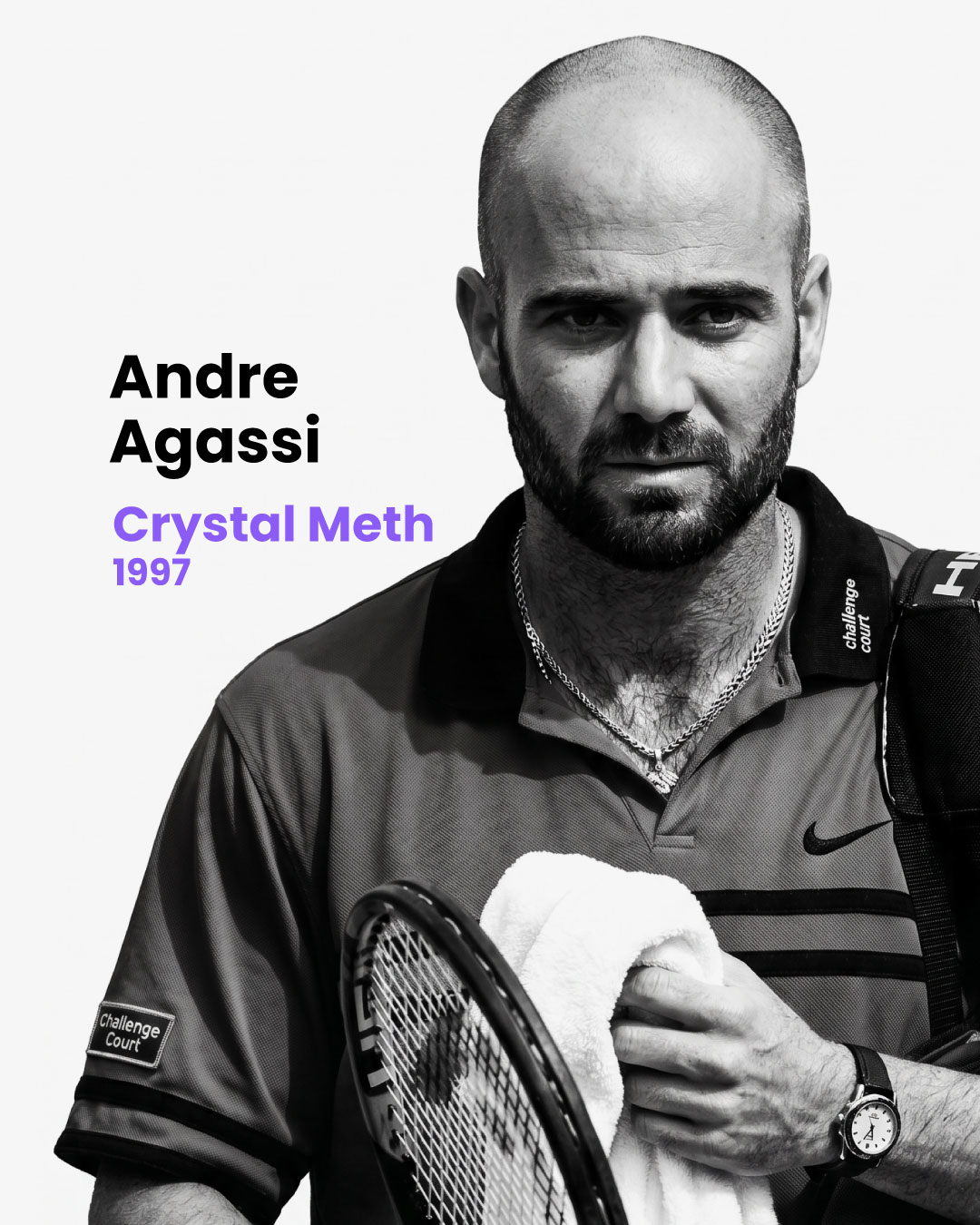
Andre Agassi — 1997
Failed a test for crystal meth (methamphetamine), not cocaine. In his 2009 autobiography Open, he admitted using the drug and lying to the ATP that he had accidentally drunk a spiked soda. The case was dismissed and he was never banned. He later won the French Open in 1998 and completed a Career Grand Slam.
Nuria Llagostera Vives — July 2013
Spanish doubles specialist tested positive for d-methamphetamine at the Bank of the West Classic in Stanford, California. She could not explain how it entered her system. The ITF imposed a two-year ban (8 September 2013 to 7 September 2015).
Gonçalo Oliveira — 25 November 2024
Tested positive for methamphetamine at an ATP Challenger in Manzanillo, Mexico. He argued contamination via kissing or the environment. A tribunal rejected that and imposed a four-year ban (credit for provisional suspension from January 2025; eligible again 16 January 2029).
Heroin — a rare, different story
There is no famous modern case of a star player receiving a formal tribunal ban after a published heroin positive in the way Kyrgios faces for cocaine.The closest historical warning is Bernard Boileau, Belgium's former No. 1. In 1988 he publicly admitted using heroin for years (roughly September 1984 to February 1988). That came from his own admission, not a high-profile failed doping control and ban process like today's ITIA cases. His career collapsed young.
WADA still lists heroin (diamorphine) as a prohibited narcotic and a "substance of abuse," alongside cocaine, MDMA/ecstasy and cannabis. In practice, tennis's best-known hard-drug doping cases have clustered around cocaine and methamphetamine.
What happens next for Kyrgios
Rules have tightened and clarified since Agassi's era. Provisional suspensions are now mandatory for certain findings, and "substances of abuse" can carry shorter bans if use is proven out of competition and unrelated to performance — the question that shaped Evans's case and may matter again for Kyrgios.For now, the facts of 2026 are clear: an in-competition positive for cocaine, an admission of responsibility, and a provisional ban from the sport. The final length of any sanction will be decided by the tribunal.
Comments
Checking sign-in…
Loading comments…