Sunglasses in Tennis
Why Most Professional Tennis Players Choose Not to Wear Sunglasses
The limited use of sunglasses in professional tennis is not a matter of ignoring their benefits. Instead, it reflects the specific demands of elite-level play, where consistency and reliability are more important than occasional advantages.
Stability during high-intensity movement
Professional tennis involves explosive sprints, abrupt stops, and repeated changes of direction. Even high-quality sports sunglasses can shift, bounce, or fall during play. At the professional level, any risk of equipment movement becomes unacceptable, especially when players cannot adjust eyewear mid-point.
Sweat and visual impairment
Heavy sweating is unavoidable in long matches. Sweat can drip onto lenses, smear across them, or cause fogging, which momentarily impairs vision. Players also wipe their faces frequently between points, increasing the risk of smudges or misalignment. Many professionals prefer unobstructed vision rather than managing another surface that can collect moisture.
Consistency across changing conditions
Lighting conditions in professional tennis change constantly — sun, cloud, stadium shadows, and artificial lights often appear within the same match. Sunglasses that perform well in bright sun can quickly become a disadvantage in lower light. Playing without sunglasses removes this variable entirely.
Peripheral awareness and visual freedom
Elite players rely heavily on full peripheral vision for anticipation, spacing, and reaction. Even minimal frames can slightly limit awareness at the edges of the visual field. Playing without eyewear ensures nothing interferes with natural vision.
Established habits and trust
Professional players spend thousands of hours training in outdoor conditions without sunglasses. Over time, their visual system adapts to glare and brightness. In match situations, they trust what has always worked rather than introducing an additional piece of equipment.
When sunglasses are used
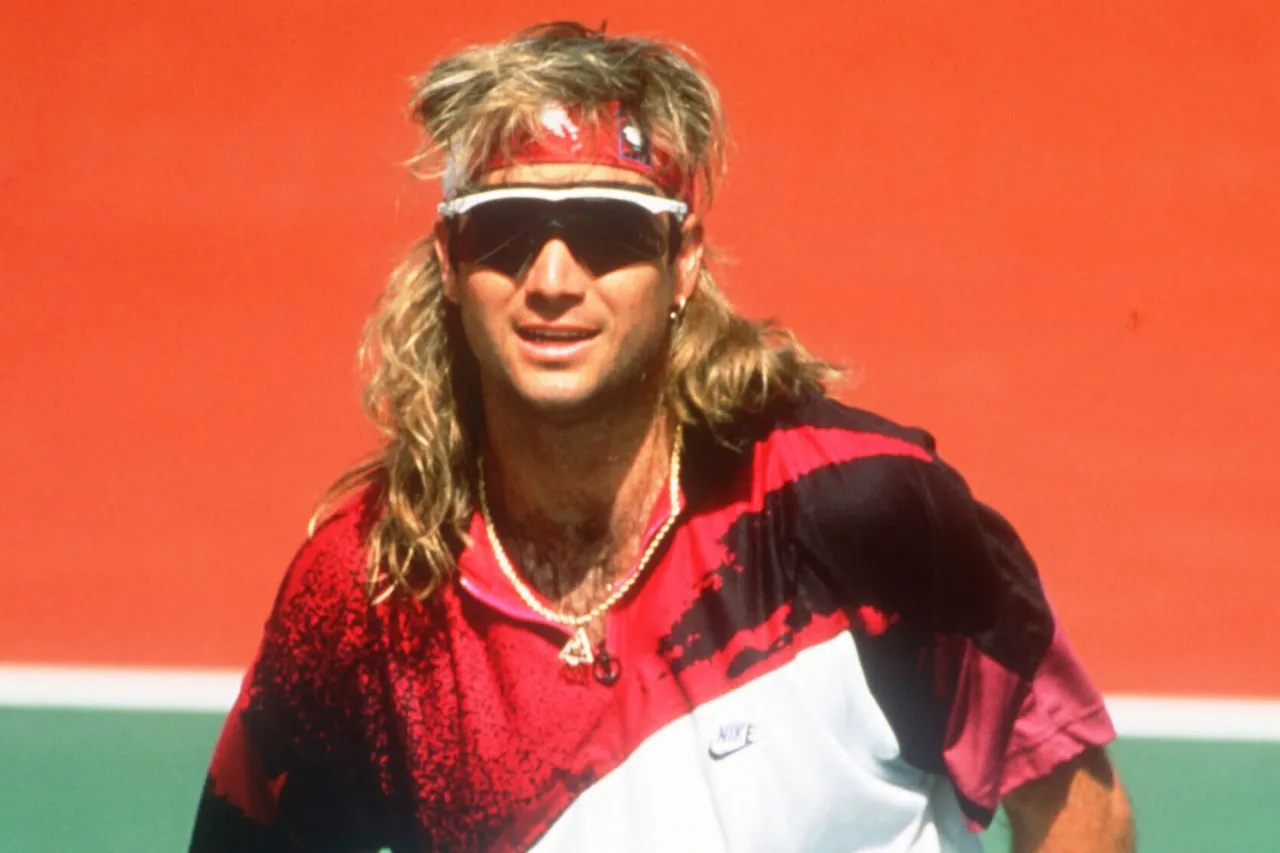
Some professionals do wear sunglasses in training, warm-ups, or extreme brightness. Others use them for medical reasons such as light sensitivity or eye protection. These choices are based on individual needs rather than performance trends.
At the professional level, the decision is not about whether sunglasses are useful, but whether they are absolutely reliable under every possible condition. For many pros, the risks of movement, sweat, and changing light outweigh the benefits during competition.
The limited use of sunglasses in professional tennis is not a matter of ignoring their benefits. Instead, it reflects the specific demands of elite-level play, where consistency and reliability are more important than occasional advantages.
Stability during high-intensity movement
Professional tennis involves explosive sprints, abrupt stops, and repeated changes of direction. Even high-quality sports sunglasses can shift, bounce, or fall during play. At the professional level, any risk of equipment movement becomes unacceptable, especially when players cannot adjust eyewear mid-point.
Sweat and visual impairment
Heavy sweating is unavoidable in long matches. Sweat can drip onto lenses, smear across them, or cause fogging, which momentarily impairs vision. Players also wipe their faces frequently between points, increasing the risk of smudges or misalignment. Many professionals prefer unobstructed vision rather than managing another surface that can collect moisture.
Consistency across changing conditions
Lighting conditions in professional tennis change constantly — sun, cloud, stadium shadows, and artificial lights often appear within the same match. Sunglasses that perform well in bright sun can quickly become a disadvantage in lower light. Playing without sunglasses removes this variable entirely.
Peripheral awareness and visual freedom
Elite players rely heavily on full peripheral vision for anticipation, spacing, and reaction. Even minimal frames can slightly limit awareness at the edges of the visual field. Playing without eyewear ensures nothing interferes with natural vision.
Established habits and trust
Professional players spend thousands of hours training in outdoor conditions without sunglasses. Over time, their visual system adapts to glare and brightness. In match situations, they trust what has always worked rather than introducing an additional piece of equipment.
When sunglasses are used
Some professionals do wear sunglasses in training, warm-ups, or extreme brightness. Others use them for medical reasons such as light sensitivity or eye protection. These choices are based on individual needs rather than performance trends.
At the professional level, the decision is not about whether sunglasses are useful, but whether they are absolutely reliable under every possible condition. For many pros, the risks of movement, sweat, and changing light outweigh the benefits during competition.
Comments
Checking sign-in…
Loading comments…