The Future of Tennis: The New Generation Finally Takes Centre Court
 By James ClowJune 12, 2026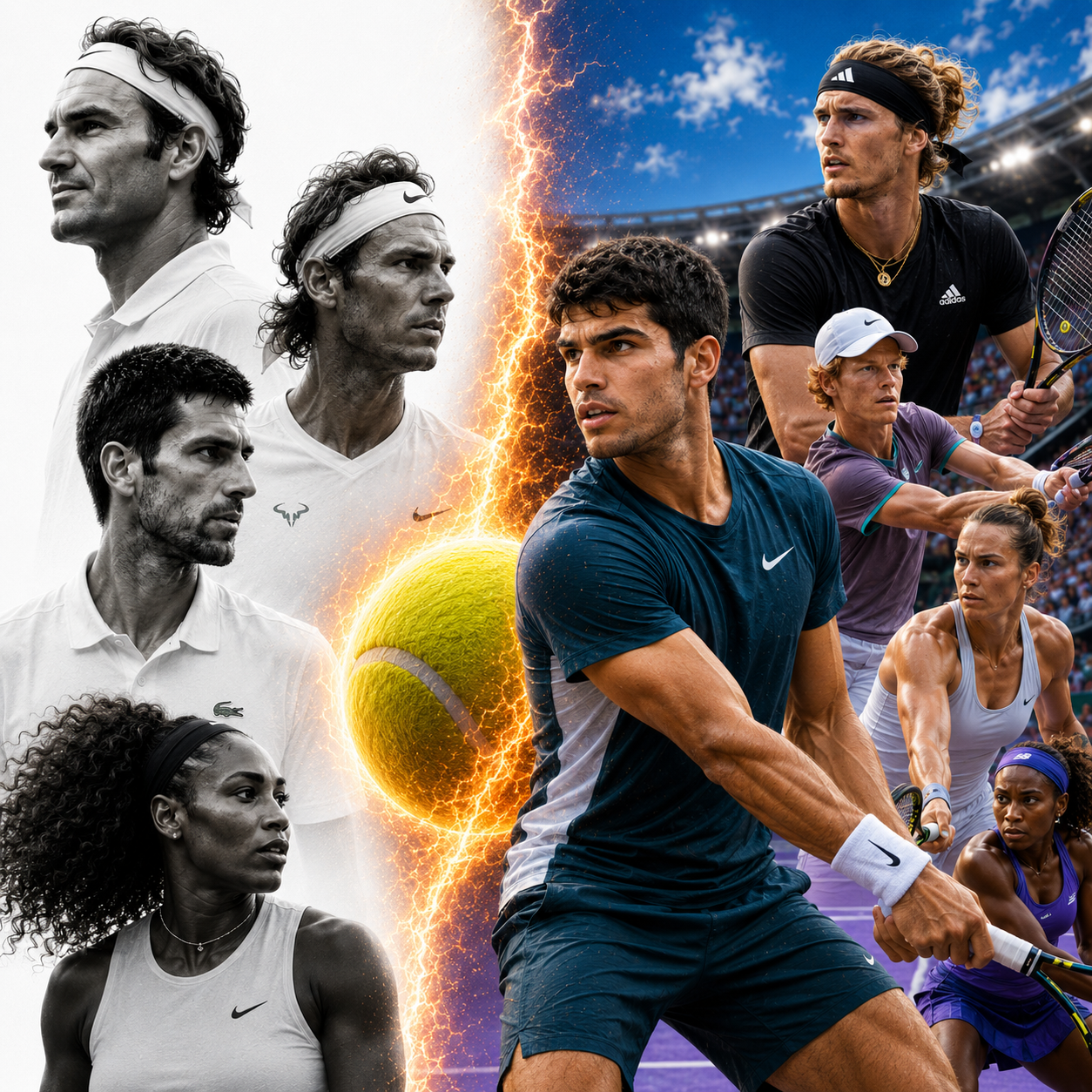
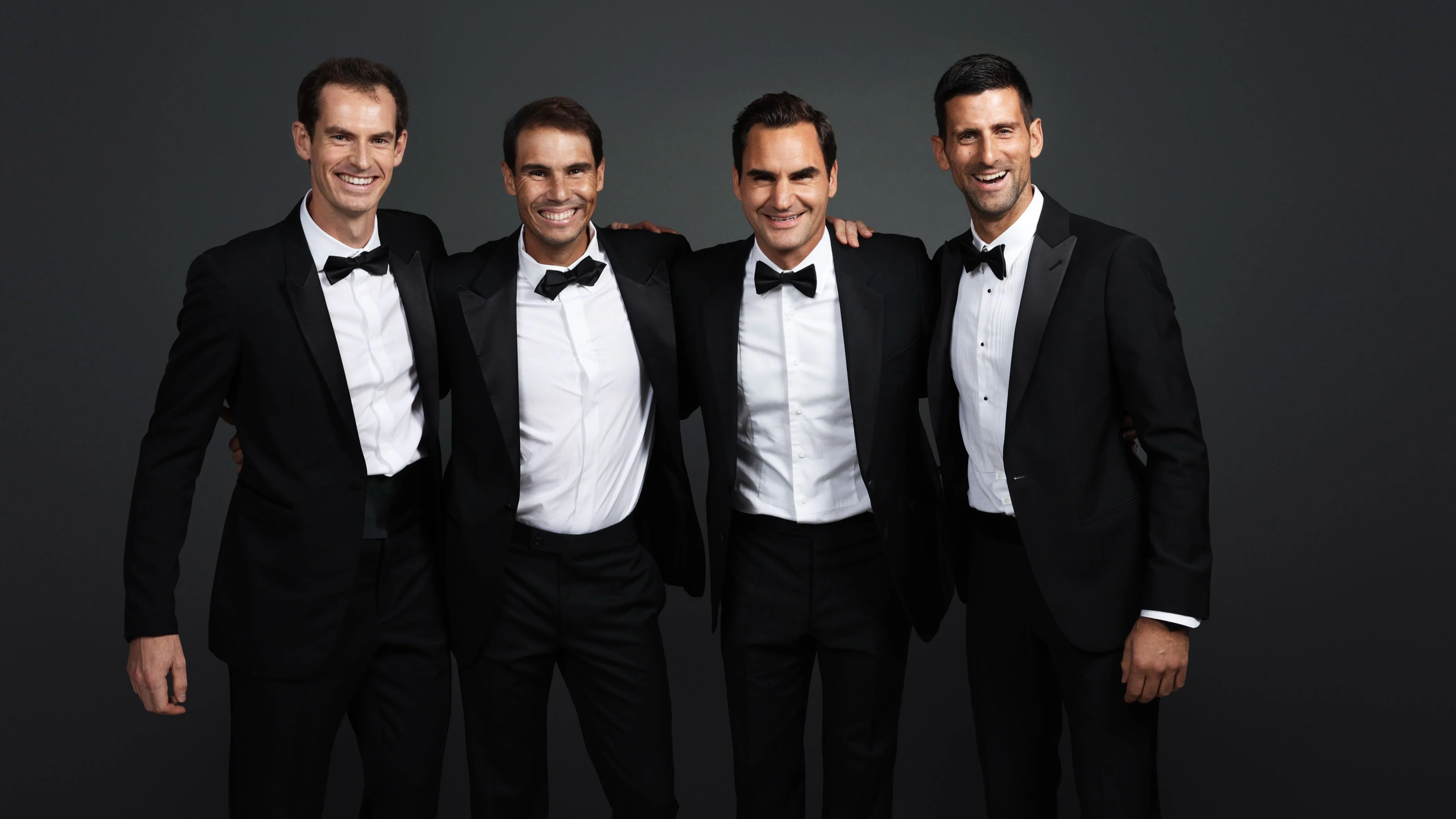
For nearly two decades, tennis was defined by a handful of iconic champions who dominated the sport and captured the imagination of fans around the world. On the men's side, Roger Federer, Novak Djokovic, Rafael Nadal, and Andy Murray formed the legendary "Big Four", collecting Grand Slam titles, breaking records, and producing some of the greatest rivalries in sporting history. In the women's game, Serena Williams stood as the sport's defining figure, while stars such as Venus Williams, Maria Sharapova, Justine Henin, Kim Clijsters, and later Ashleigh Barty helped shape an era of remarkable talent and global appeal.
Now, however, tennis is entering a new chapter.
With Federer retired, Nadal stepping away from professional competition, Murray reaching the end of his playing career, Serena Williams having left the sport, and a new generation firmly establishing itself across both tours, the question tennis fans have been asking for years is finally being answered:
Who takes over next?

The Rise of a New Rivalry
If the past twenty years were defined by Federer versus Nadal and later Djokovic versus the field, the next decade could belong to two remarkable young stars: Jannik Sinner and Carlos Alcaraz.
At just 24 years old, Italy's Jannik Sinner has developed into one of the most complete players on tour. His powerful baseline game, exceptional movement, calm temperament, and relentless consistency have made him a nightmare opponent for anyone. Sinner combines modern power with remarkable tactical intelligence, and many experts believe he has the mentality required to dominate for years.
On the other side stands Spain's Carlos Alcaraz, perhaps the most exciting young talent tennis has seen since a teenage Rafael Nadal burst onto the scene. Alcaraz brings athleticism, creativity, speed, and flair that electrify crowds. He can hit winners from seemingly impossible positions and possesses the kind of charisma that attracts new fans to the sport.
Together, Sinner and Alcaraz are already creating a rivalry that feels like the natural successor to Federer-Nadal and Djokovic-Nadal. Their matches are fast, aggressive, unpredictable, and packed with highlight-reel moments.
Yet the 2026 French Open also served as a reminder that tennis rarely follows a script. Neither Sinner nor Alcaraz reached the final at Roland-Garros, highlighting the extraordinary depth that now exists across the ATP Tour. While many expect the pair to define the coming decade, the competition chasing them is stronger than ever.
Italy's Tennis Boom Is Just Beginning
While Sinner is currently leading the charge, he is far from the only young Italian making waves on the ATP Tour.
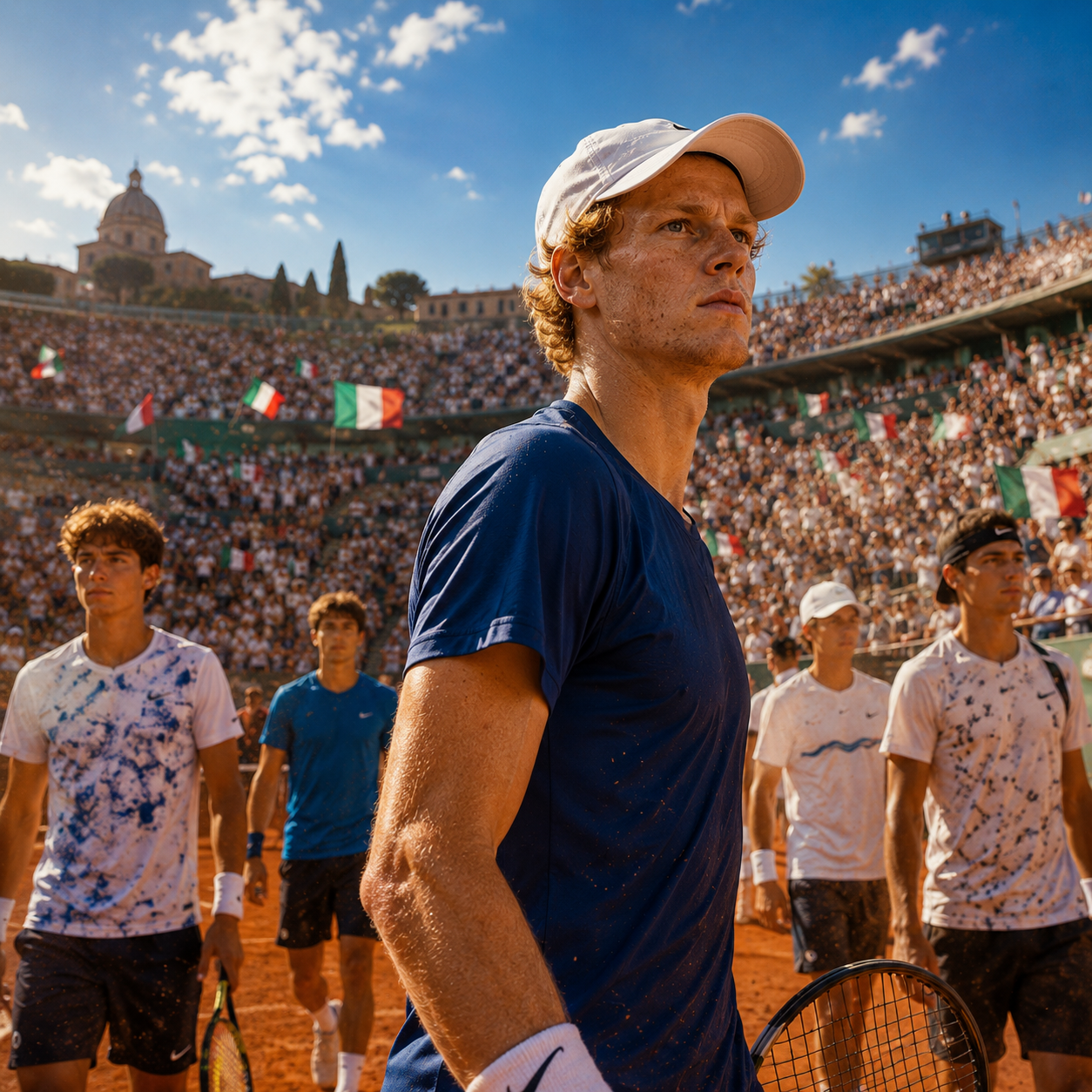
Italy is experiencing one of the most exciting periods in its tennis history, producing a generation of talented players capable of competing at the highest level. Lorenzo Musetti has already established himself as one of the most gifted shot-makers in the sport, blending creativity and flair with increasing consistency. Matteo Arnaldi continues to climb the rankings with his aggressive baseline game, while Flavio Cobolli and Luciano Darderi represent another wave of promising talent beginning to make an impact on the biggest stages.
The depth of Italian tennis is particularly impressive. Unlike many nations that rely on one standout star, Italy now boasts multiple young players inside the upper levels of the rankings, creating healthy competition and raising standards across the board.
With Sinner leading the way and several talented compatriots following closely behind, Italy could become one of the dominant forces in men's tennis for the next decade.
Flavio Cobolli's Breakthrough Signals Italy's Incredible Depth
Perhaps the biggest surprise of the 2026 French Open came from another Italian.
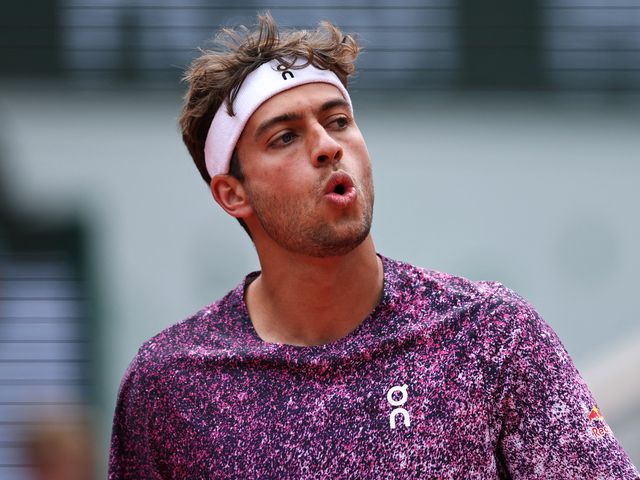
Flavio Cobolli stunned the tennis world by reaching his first Grand Slam final at Roland-Garros, defeating a series of higher-ranked opponents before eventually falling to Alexander Zverev in a dramatic five-set championship match.
His breakthrough reinforced what many observers already suspected: Italy's tennis boom extends far beyond Jannik Sinner. Cobolli demonstrated the composure, athleticism, and shot-making ability required to compete for the sport's biggest prizes, and his run to the final may prove to be only the beginning.
With Sinner, Musetti, Arnaldi, Cobolli, and several others pushing into the upper reaches of the ATP rankings, Italy may possess the deepest collection of men's talent in tennis today.
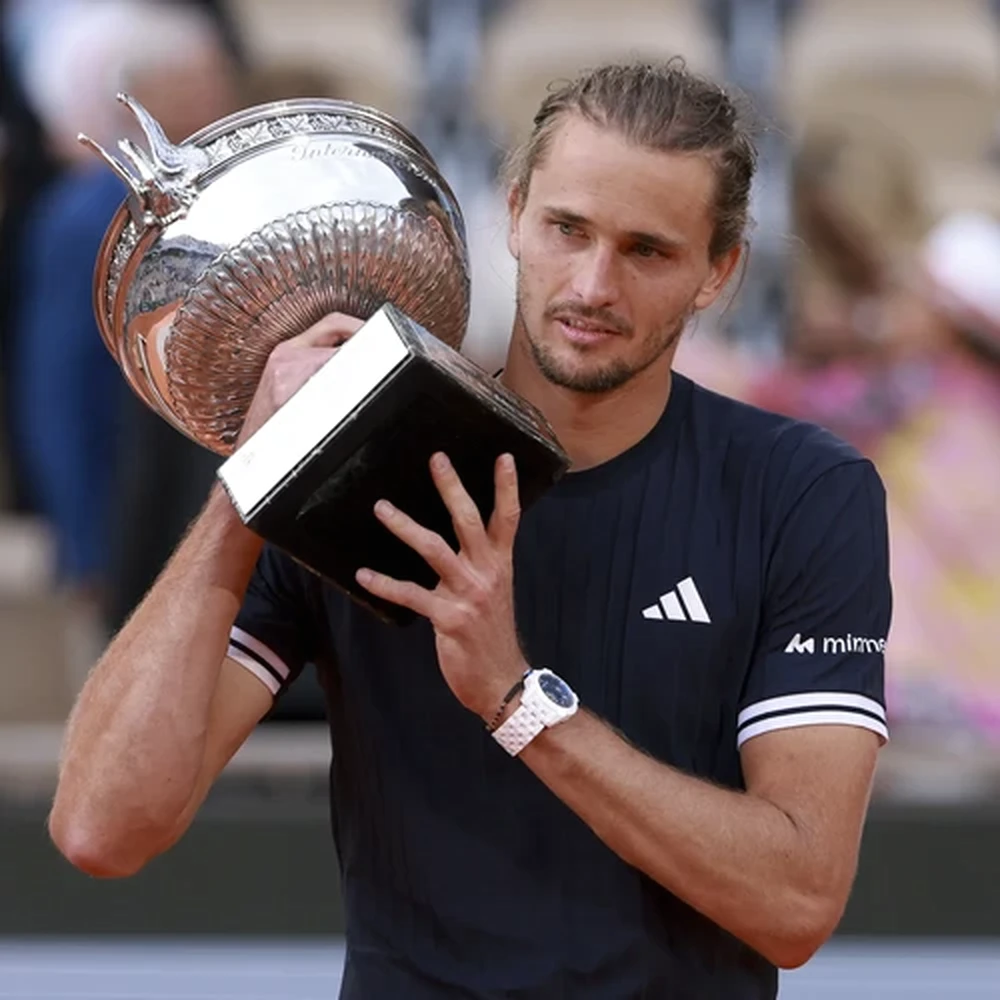
Alexander Zverev Finally Breaks Through
While much of the attention remains focused on Jannik Sinner and Carlos Alcaraz, Alexander Zverev reminded the tennis world in 2026 why he has long been considered one of the sport's elite talents.
After years of near misses and painful Grand Slam disappointments, the German finally captured his maiden major title at the French Open, defeating Italy's Flavio Cobolli in a dramatic five-set final. The victory removed one of the biggest question marks hanging over his career and confirmed that experience still matters in an increasingly youthful ATP landscape.
At 29 years old, Zverev now enters the next phase of his career with a Grand Slam trophy in hand and renewed confidence that more major titles could follow. His Roland-Garros triumph also demonstrated that while the sport's future belongs to younger stars, the established generation is not ready to step aside just yet.
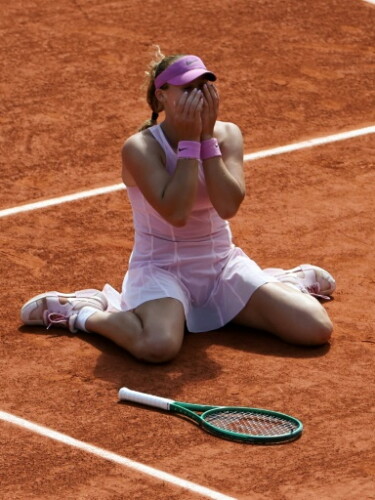
The Women's Game Is Leading Its Own New Era
While men's tennis is undergoing a generational transition, the women's game is already thriving in a new age of young champions and emerging rivalries.
For years, women's tennis searched for a consistent group of stars capable of carrying the sport after Serena Williams' remarkable dominance. Today, that search appears to be over.
World number one Aryna Sabalenka has become one of the most powerful and entertaining players in the sport, combining aggressive shot-making with growing consistency in major tournaments. Alongside her, Poland's Iga Świątek has established herself as one of the defining players of her generation, bringing incredible athleticism, tactical awareness, and mental strength to every match.
Yet the future extends far beyond those two stars.
The biggest statement of 2026 came from Mirra Andreeva. Still only 19 years old, the Russian captured her first Grand Slam title at Roland-Garros, becoming the youngest French Open champion since Monica Seles more than three decades ago. Her combination of tactical intelligence, composure, and all-court versatility has convinced many that she could become one of the defining players of the next decade.
The French Open also showcased the depth of the women's game, with surprise finalist Maja Chwalińska producing one of the most memorable underdog runs in recent memory. Her success demonstrated that opportunities are opening for a broader range of players than ever before.
American sensation Coco Gauff continues to mature into one of the sport's biggest attractions. Her speed, competitiveness, and maturity have already delivered Grand Slam success, and many believe her best years are still ahead. China's Zheng Qinwen has emerged as another exciting contender, showcasing the power and confidence needed to challenge the very best. Players such as Diana Shnaider and Linda Nosková represent an even younger generation already proving they belong on the biggest stages.
Unlike previous eras dominated by one or two players, women's tennis currently offers extraordinary depth. On any given week, several players are capable of winning major tournaments, creating compelling storylines and unpredictability that keeps fans engaged.
Why New Blood Is Good for Tennis
Some fans worry that tennis will never be the same without Federer, Nadal, Djokovic, and Murray.
They're right—but that's not necessarily a bad thing.
Every sport eventually needs a new generation. Fresh faces, new rivalries, and evolving playing styles keep a sport relevant and exciting.
Young fans often connect most strongly with athletes closer to their own generation. Today's teenagers are growing up watching Alcaraz, Sinner, Gauff, Sabalenka, Świątek, Shelton, Rune, Draper, Andreeva, and Cobolli in the same way previous generations grew up idolising Federer, Nadal, Serena Williams, and Maria Sharapova.
These emerging stars bring different personalities, social media engagement, and modern approaches that resonate with younger audiences. Their accessibility helps create new fans and keeps tennis connected to changing generations.
The sport also benefits from competitive uncertainty. During the Big Four era, many tournaments felt predictable because the same names consistently reached the final stages. Today's landscape is more open, creating compelling storylines every week.
The 2026 French Open was perhaps the clearest example yet. Neither men's finalist was named Sinner or Alcaraz, while the women's tournament produced both a first-time Grand Slam champion and a surprise finalist. Tennis has entered an era where opportunity feels more widely distributed than at any point in the last twenty years.
A More Global Tennis Future
Another positive development is the increasing international diversity of the sport's leading players.
The new generation comes from across the globe:
- Italy has Sinner, Musetti, Arnaldi, Cobolli, and Darderi.
- Spain has Alcaraz.
- Germany has Zverev.
- Denmark has Rune.
- Britain has Draper.
- The United States has Shelton, Gauff, and several other rising stars.
- Poland has Świątek.
- Belarus has Sabalenka.
- China has Zheng Qinwen.
- Russia has Andreeva.
- France, Canada, Australia, and many other nations continue producing elite talent.
This global spread helps tennis grow in new markets and attract broader audiences around the world.
The Next Golden Age?
The dominance of the Big Four was so extraordinary that many believed it could never be repeated.
Perhaps it won't be.
But tennis does not need another Williams, Nadal, Djokovic, or Sharapova. What it needs is compelling competition, exciting personalities, and players capable of inspiring the next generation.
Carlos Alcaraz and Jannik Sinner appear ready to lead that charge on the men's side. Aryna Sabalenka, Iga Świątek, Coco Gauff, and newly crowned French Open champion Mirra Andreeva are helping shape a thrilling future for the women's game. Alexander Zverev has finally joined the list of Grand Slam champions, while Flavio Cobolli's breakthrough run in Paris shows that another wave of contenders is already arriving.
The era of the Big Four may be ending, but the future of tennis looks remarkably bright.
For tennis fans, the most exciting part is that the story is only just beginning.