Why Racquet Sports Can Add Years to Your Life

Racquet sports such as tennis, padel, squash, and badminton are increasingly being recognised as some of the healthiest activities a person can do. While many forms of exercise improve fitness, racquet sports stand apart because they combine cardiovascular conditioning, mental stimulation, social interaction, and long-term sustainability in a way few other activities can match.
As awareness grows around the importance of both physical and mental health, people are exploring new ways to stay active. Although modern fitness trends continue to evolve, racquet sports have remained remarkably timeless. Their enduring popularity comes down to one simple fact: they are not only effective for overall health, but genuinely enjoyable to play.
In fact, several large-scale studies have suggested that people who regularly participate in racquet sports may live longer than those who engage in many other forms of exercise. The reason lies in the unique combination of benefits these sports provide.
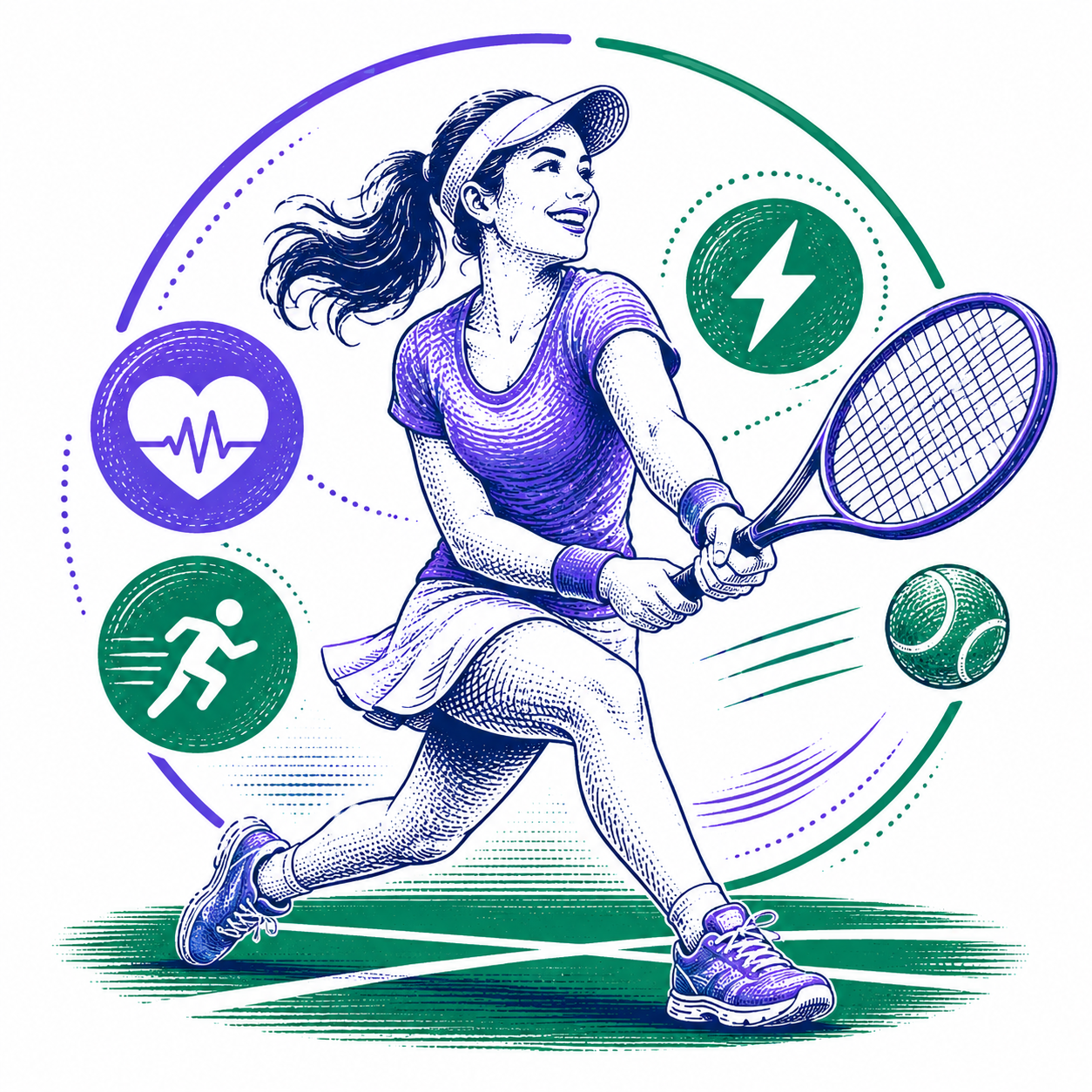
One of the greatest strengths of racquet sports is the way they naturally combine aerobic and anaerobic training. Most activities tend to favour one over the other. Long-distance running and cycling, for example, are excellent for aerobic endurance but involve little explosive movement. Sprinting, martial arts, and weight training develop anaerobic power but often lack sustained cardiovascular conditioning.
Racquet sports sit perfectly between the two.
During a match, players constantly alternate between short bursts of explosive movement and periods of recovery. This strengthens the heart, improves circulation, increases lung capacity, and develops overall cardiovascular fitness. Regular play can also help lower blood pressure, reduce cholesterol levels, and decrease the risk of heart disease and stroke.
What makes this type of training particularly effective is that it rarely feels repetitive. Because the mind is focused on the ball, tactics, and the next point, players often forget how physically demanding the game actually is. The body is constantly working while the brain remains fully engaged.
A Sport You Can Play for Life
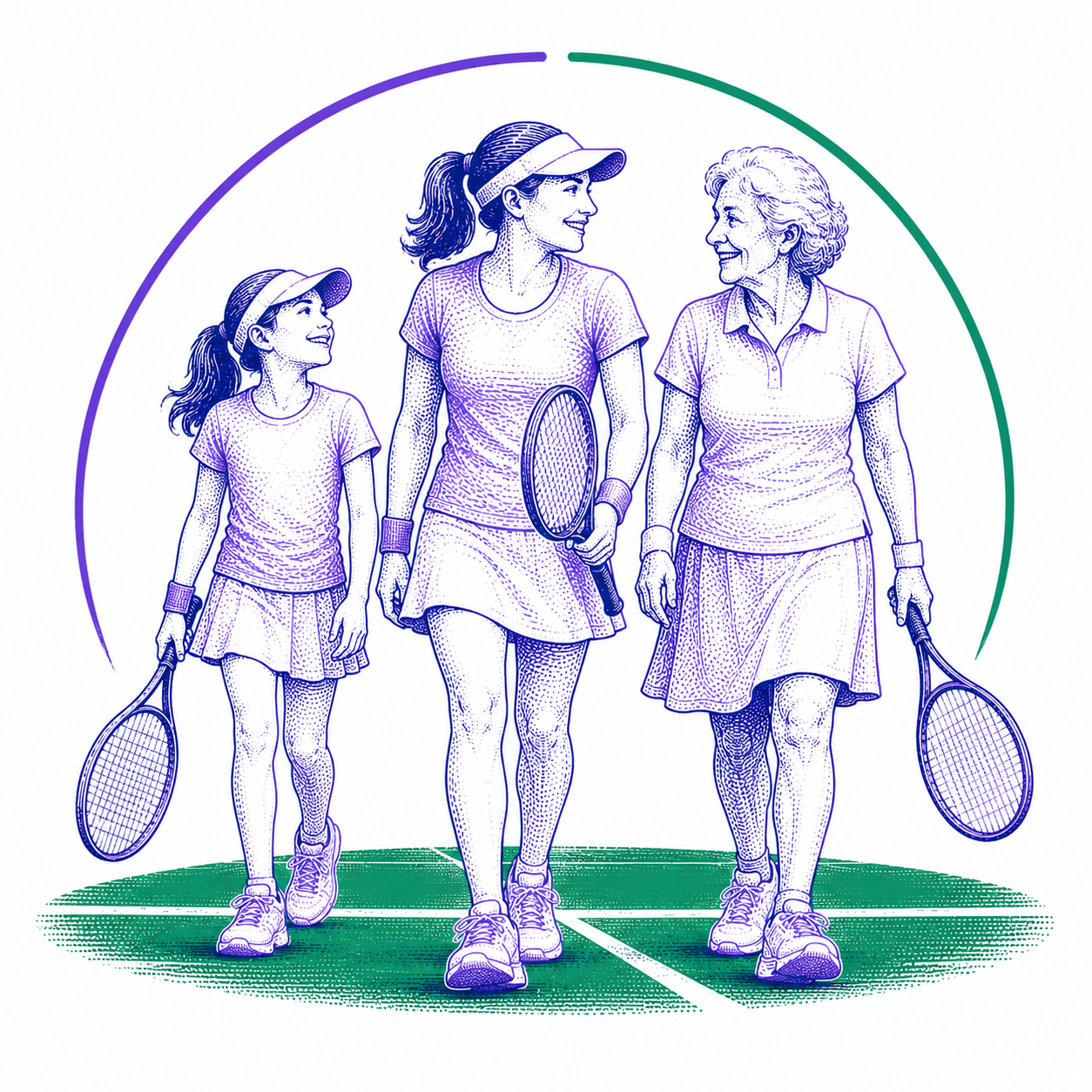
Another major advantage of racquet sports is sustainability. Many people continue playing well into their 60s, 70s, and even 80s.
Unlike sports that place excessive strain on the body or rely heavily on peak athleticism, racquet sports can easily adapt to different ages and fitness levels. Doubles tennis, social padel, and recreational badminton all provide significant health benefits while remaining manageable and enjoyable long-term.
This may be one of the most important factors in longevity. The best form of exercise is not necessarily the most intense — it is the one people continue doing consistently over decades. Racquet sports are uniquely good at keeping people engaged for life.
Training the Mind as Well as the Body
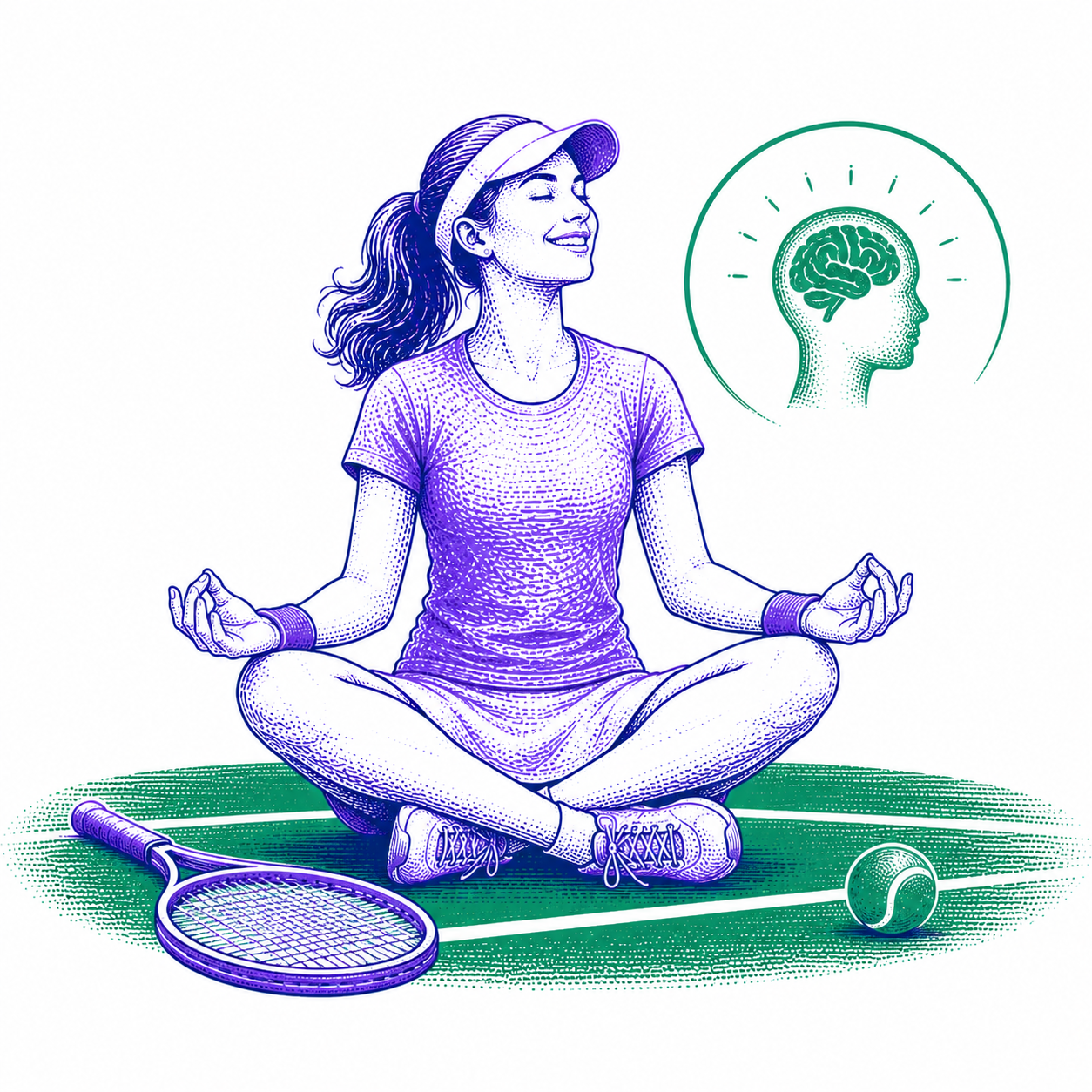
Racquet sports are just as mentally demanding as they are physical. Players are constantly tracking the ball, anticipating movement, adjusting tactics, making split-second decisions, and maintaining focus under pressure.
This combination of movement and cognitive engagement helps sharpen coordination, concentration, reaction time, and problem-solving ability. Research has increasingly shown that activities combining physical exercise with mental stimulation may help support long-term brain health and reduce cognitive decline as people age.
In many ways, racquet sports provide a complete workout for both body and mind.
The Powerful Role of Social Connection
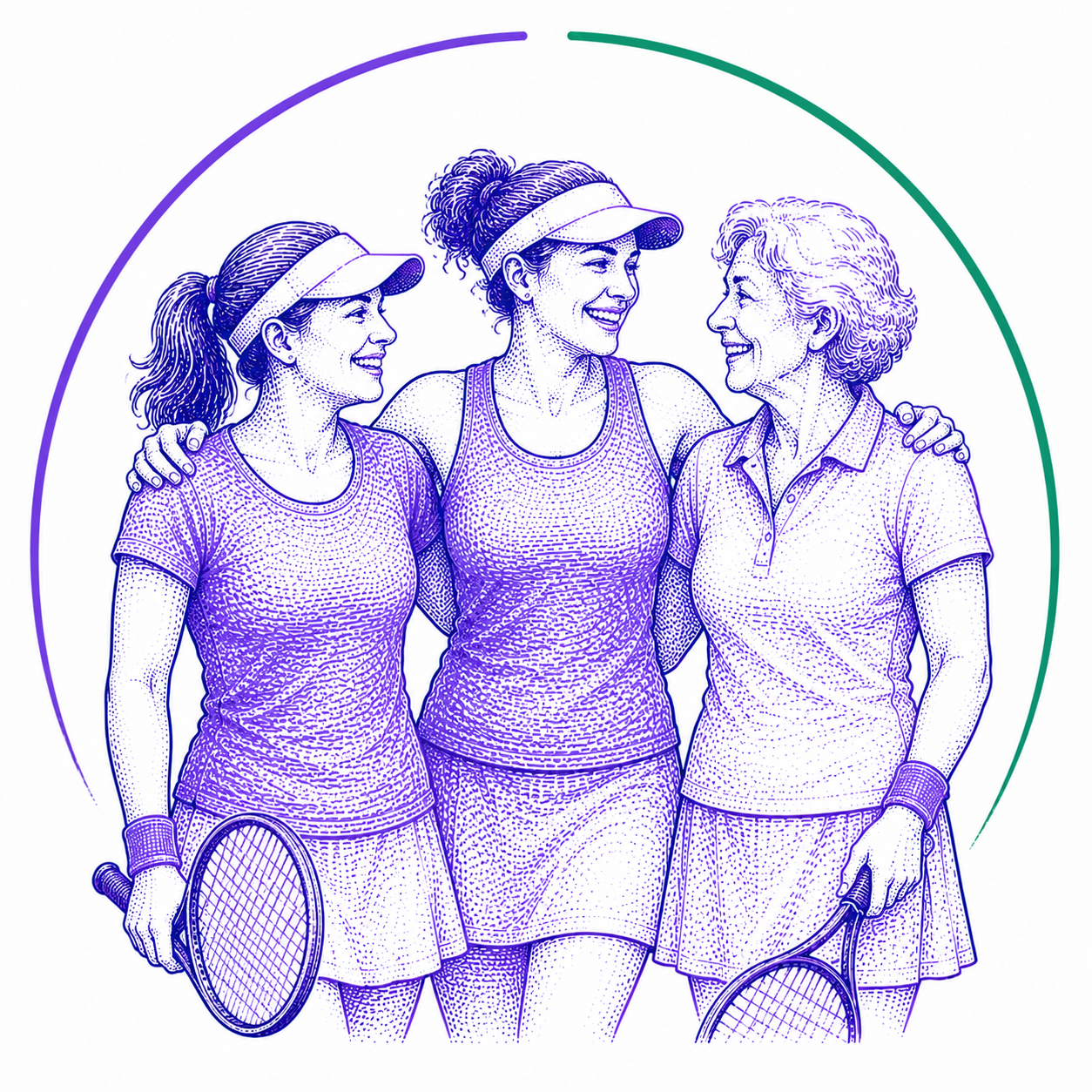
One of the lesser-discussed reasons racquet sports may contribute to longevity is the social aspect they naturally create.
People who maintain strong social connections often experience lower stress levels, better mental health, and improved overall wellbeing. Racquet sports encourage exactly this through clubs, weekly matches, doubles partnerships, coaching groups, and social competitions.
Whether it is meeting friends for a casual game of padel or joining a local tennis league, these sports foster communication, community, healthy competition, and meaningful human interaction. In an increasingly isolated and screen-driven world, that social connection can have an enormous impact on long-term health.
Reducing Stress and Supporting Mental Health
Modern life is often stressful, sedentary, and dominated by screens. Racquet sports offer a healthy escape that benefits both the mind and body.
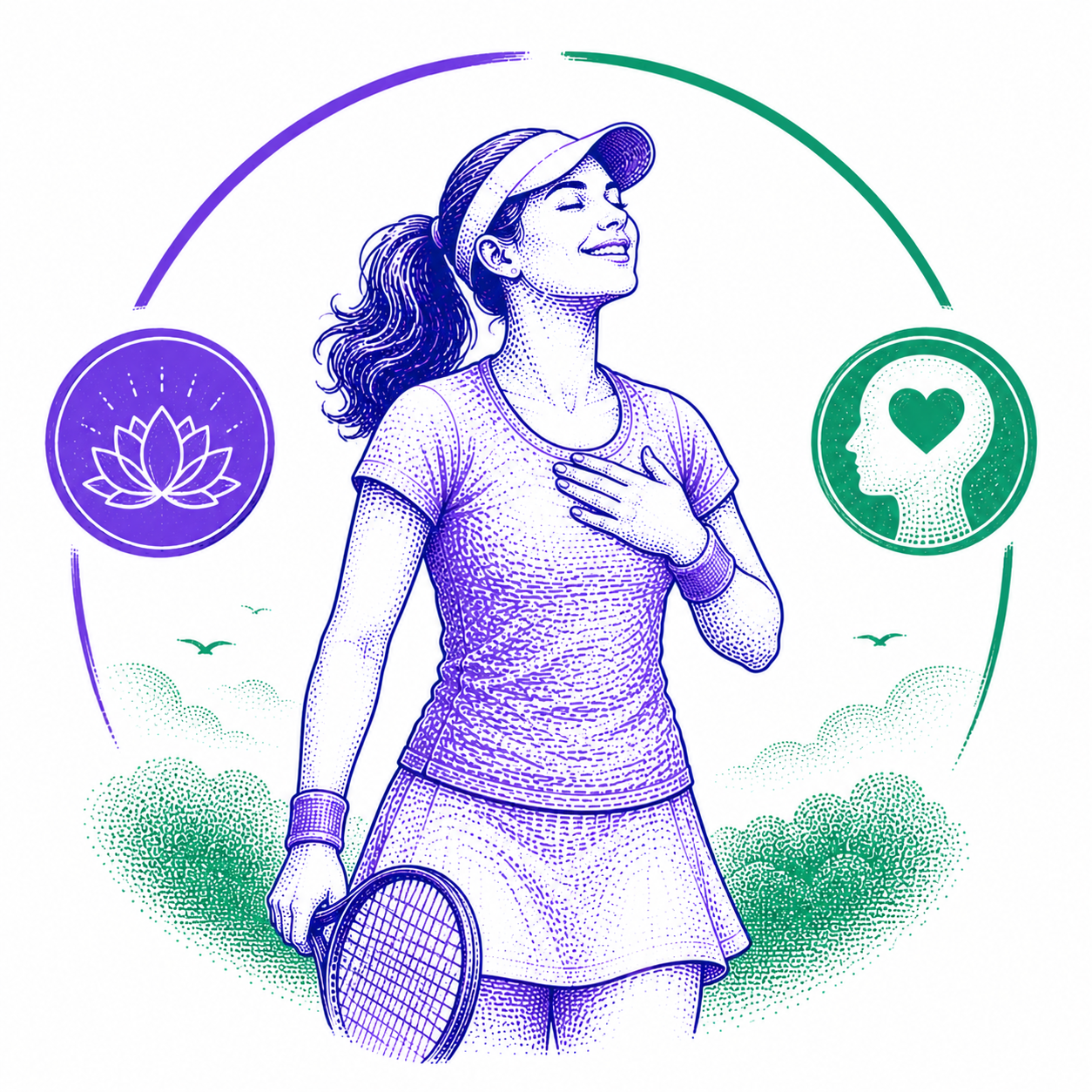
Physical activity naturally releases endorphins, improving mood and reducing stress. At the same time, the concentration required during play helps people disconnect from daily pressures and remain fully present in the moment.
Many players describe sports like tennis and padel as a form of active meditation. The constant focus on movement, timing, and strategy temporarily clears the mind of outside distractions.
Regular participation has been linked to reduced anxiety, improved sleep, increased confidence, lower stress hormone levels, and stronger emotional wellbeing overall.
Maintaining Mobility and Physical Function
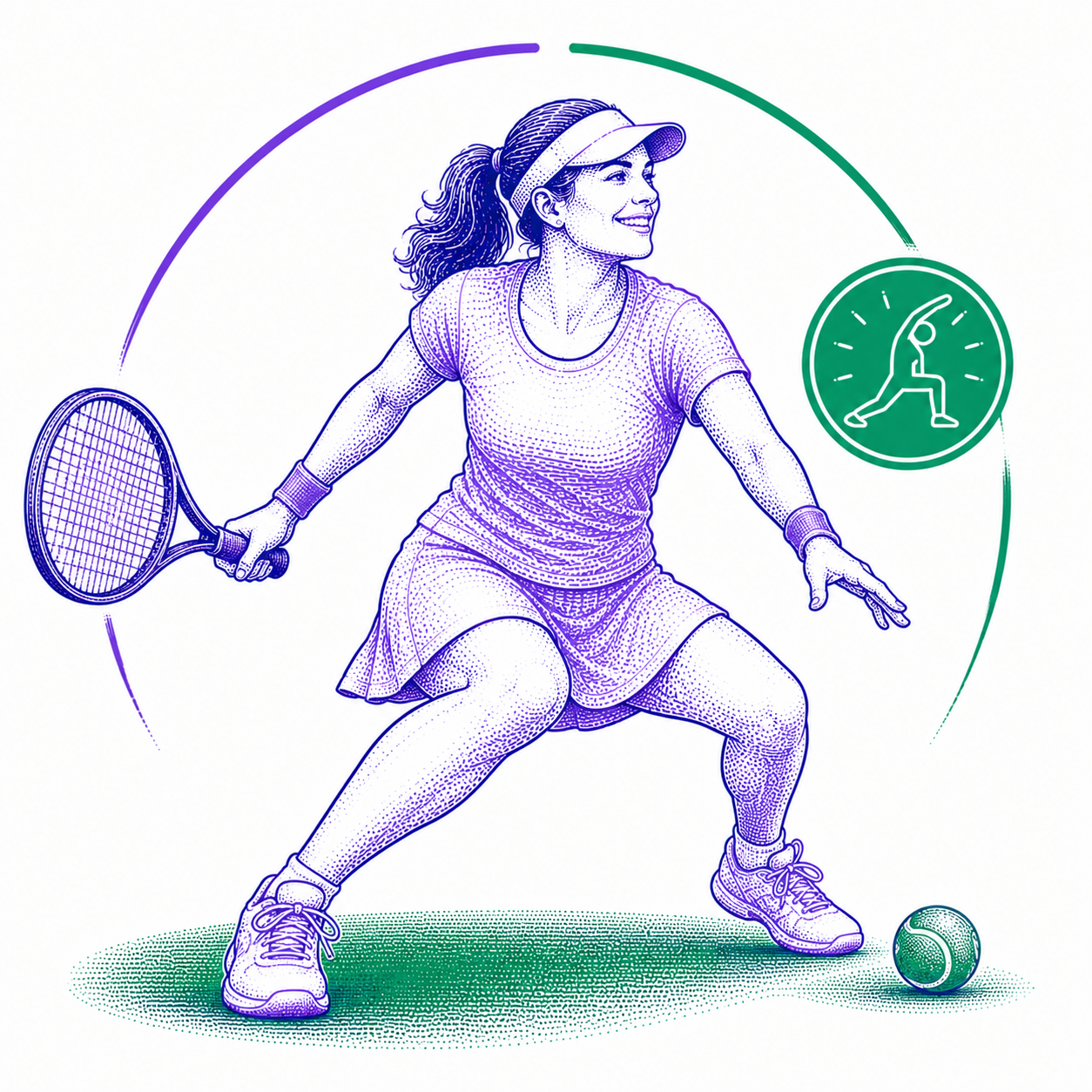
As people age, maintaining mobility, balance, coordination, and reaction speed becomes increasingly important. Racquet sports develop all of these simultaneously through dynamic, full-body movement.
Unlike repetitive gym routines, racquet sports encourage natural movement patterns that improve agility, flexibility, endurance, and body control. Players move laterally, rotate, accelerate, decelerate, and react constantly throughout a match.
This type of movement not only improves athletic ability but may also help reduce the risk of falls and injuries later in life by preserving physical function and coordination.
The Simple Secret: They’re Fun
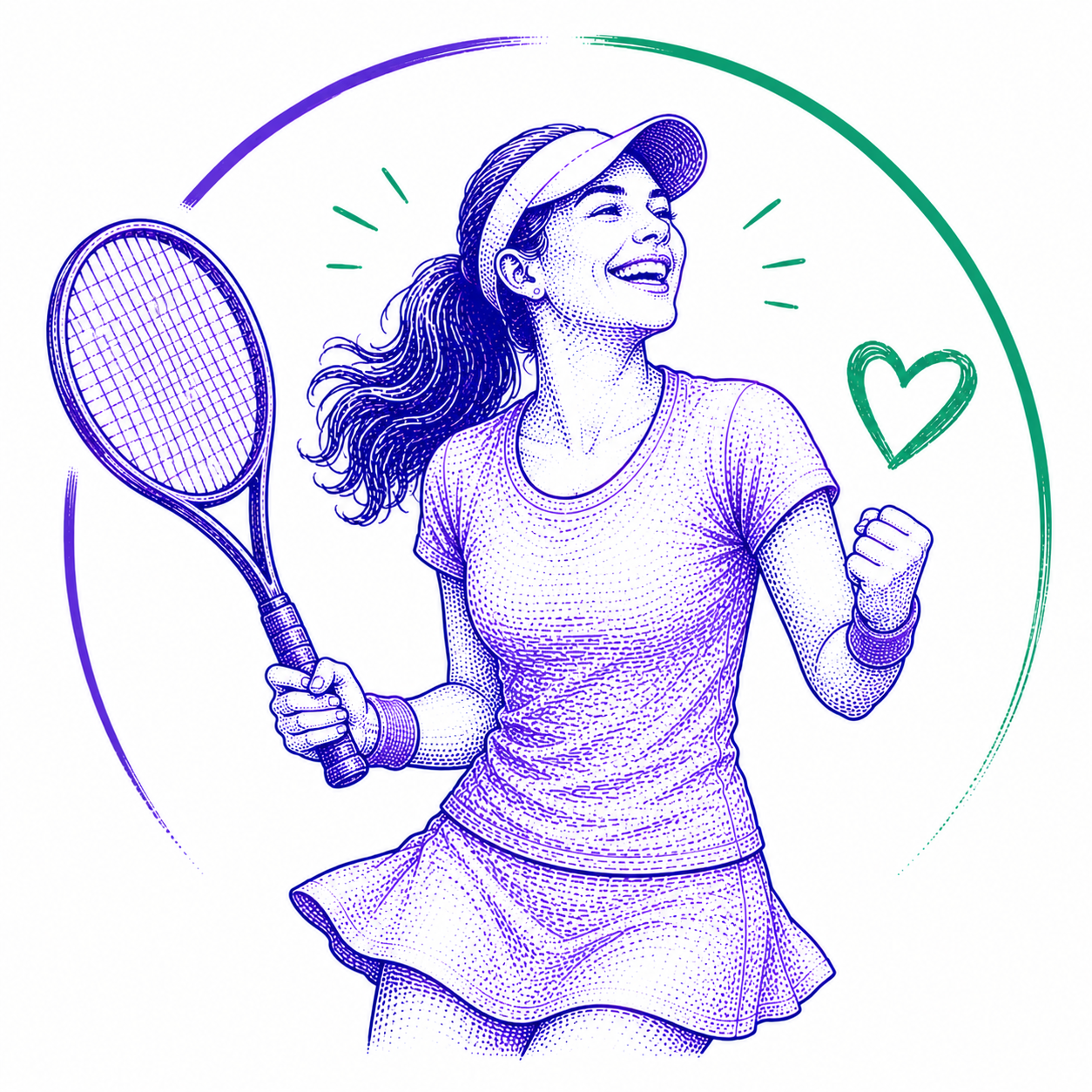
Perhaps the biggest reason racquet sports contribute to longevity is also the simplest: people genuinely enjoy them.
Enjoyment creates consistency, and consistency is what produces long-term health benefits. Many traditional fitness routines eventually become repetitive or feel like obligation. Racquet sports, however, create motivation through competition, social interaction, personal improvement, and enjoyment.
When exercise feels like play rather than work, people are far more likely to stick with it year after year.
Final Thoughts
Racquet sports offer a rare combination of physical fitness, mental stimulation, emotional wellbeing, and social connection. They strengthen the heart, sharpen the mind, reduce stress, and encourage lifelong healthy habits.
More importantly, they are activities people genuinely love to do — and that may be the real secret behind their connection to longer, healthier lives.
Whether it is tennis, padel, squash, or badminton, stepping onto a court could be one of the best long-term investments you ever make in your health.